

Transform Research from Intimidating to Essential
Understanding nursing research isn’t merely an academic hurdle to overcome. The ability to critique evidence, interpret findings, and implement research-based practices defines professional nursing in the 21st century.
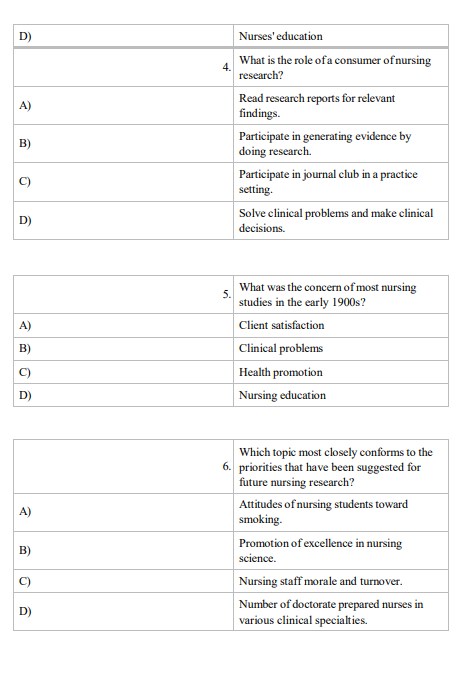
This test bank accompanies Polit & Beck’s Nursing Research 12th Edition by Flanagan and Beck. It provides comprehensive practice that demystifies research methodology and develops the critical appraisal skills essential for evidence-based nursing.
Stop dreading research courses. Start building the scientific literacy that elevates your nursing practice throughout your career.
Built for All Nursing Education Levels
Research competence requirements differ across nursing programs. BSN students need research consumer skills. MSN students require implementation expertise. Doctoral students must design and conduct original research.
This test bank serves all educational levels effectively. Questions span from basic research literacy to advanced methodological sophistication.
You’ll develop exactly the research knowledge appropriate for your program level and professional goals.
Essential Features for Research Excellence:
- Complete research process coverage
- Quantitative and qualitative methodologies
- Critical appraisal framework development
- Evidence hierarchy understanding
- Statistical literacy and interpretation
- Research ethics and human subjects protection
- Evidence-based practice implementation
- Systematic review and meta-analysis
- Questions supporting BSN through PhD programs
- Contemporary research issues integration
Why Research Literacy Matters Now More Than Ever
Evidence-based practice has become the healthcare standard. Insurers demand it. Regulatory agencies require it. Patients expect it. Nurses who cannot evaluate and apply research fall behind professionally.
These questions develop practical research application skills. You’ll critique published studies for methodological quality. You’ll determine whether findings warrant practice changes. You’ll implement evidence-based protocols effectively.
This competence transforms you from tradition-based practitioner to science-driven professional.
Complete Research Process Coverage
Research involves systematic progression from problem identification through knowledge dissemination. Understanding each phase enables comprehensive study evaluation.
This test bank addresses every research component ensuring no knowledge gaps.
Comprehensive Research Topics:
- Research problems and literature reviews
- Theoretical and conceptual frameworks
- Research questions and hypotheses formulation
- Quantitative research designs
- Qualitative research traditions
- Mixed methods approaches
- Sampling strategies and techniques
- Measurement and data collection
- Validity and reliability concepts
- Quantitative data analysis and statistics
- Qualitative data analysis methods
- Research ethics and integrity
- Critical appraisal and critique
- Systematic reviews and meta-analyses
- Evidence-based practice models
- Quality improvement versus research
- Translational research and implementation science
- Research dissemination and utilization
Quantitative Research Design Mastery
Quantitative research dominates nursing science, testing hypotheses through numerical data. Understanding experimental, quasi-experimental, and non-experimental designs proves essential.
Questions develop quantitative design comprehension. You’ll identify appropriate designs for research questions. You’ll recognize design strengths and limitations. You’ll evaluate threats to internal and external validity.
This design knowledge enables sophisticated quantitative research critique.
Qualitative Research Excellence
Qualitative research explores human experiences that statistics cannot capture. Phenomenology, grounded theory, and ethnography require different quality criteria than quantitative studies.
These questions ensure qualitative competence. You’ll distinguish qualitative traditions appropriately. You’ll evaluate trustworthiness and credibility. You’ll understand when qualitative methods best address research questions.
This qualitative literacy creates well-rounded research consumers and producers.
Statistical Interpretation Without Fear
Statistics intimidate many nursing students, yet basic statistical literacy proves essential for understanding research. You needn’t become a statistician, but you must interpret common statistical tests.
Questions develop statistical understanding systematically. You’ll interpret p-values, confidence intervals, and effect sizes. You’ll distinguish statistical from clinical significance. You’ll recognize when statistical choices seem inappropriate.
This statistical competence enables meaningful research application despite math anxiety.
Critical Appraisal Framework
Reading research requires systematic evaluation of quality and applicability. Critical appraisal frameworks guide thorough, organized study critique.
These questions develop appraisal expertise. You’ll identify sampling bias and confounding variables. You’ll evaluate measurement quality. You’ll recognize threats to validity and reliability.
This critical thinking protects patients from implementing poor-quality research findings.
Evidence Hierarchy Understanding
Not all evidence merits equal weight. Understanding evidence levels from expert opinion through systematic reviews guides clinical decision-making.
Questions address evidence hierarchies thoroughly. You’ll rank study designs by strength. You’ll understand why systematic reviews trump individual studies. You’ll recognize when lower-level evidence remains valuable.
This hierarchy knowledge supports evidence-based clinical decisions.
Research Ethics and Protection
Ethical research conduct protects vulnerable participants. Understanding IRB processes, informed consent, and ethical principles proves essential whether you conduct or evaluate research.
These questions ensure ethical competence. You’ll apply Belmont Report principles. You’ll recognize ethical violations in research scenarios. You’ll understand vulnerable population protections.
This ethical foundation prevents research misconduct and participant harm.
Evidence-Based Practice Integration
Research knowledge proves useless without application. EBP models translate findings into improved patient care systematically.
Questions connect research to practice implementation consistently. You’ll follow EBP models step-by-step. You’ll search literature efficiently. You’ll determine when evidence supports practice changes.
This integration makes research immediately clinically relevant.
Literature Review Excellence
Comprehensive literature reviews synthesize existing knowledge and identify research gaps. This skill proves essential for academic papers, clinical projects, and research proposals.
These questions develop literature review competence. You’ll conduct systematic searches effectively. You’ll evaluate source quality and relevance. You’ll synthesize findings across multiple studies.
This synthesis skill supports scholarly work throughout your career.
Sampling Methods Evaluation
Sample quality determines result generalizability. Understanding probability and non-probability sampling enables evaluation of applicability to your practice setting.
Questions address sampling thoroughly. You’ll identify appropriate sampling strategies. You’ll calculate adequate sample sizes. You’ll recognize sampling bias and limitations.
This sampling knowledge strengthens research critique capabilities.
Measurement and Instrumentation
Valid, reliable instruments produce trustworthy data. Understanding psychometric properties enables evaluation of measurement quality.
These questions develop measurement literacy. You’ll evaluate instrument validity and reliability. You’ll recognize measurement error sources. You’ll determine instrument appropriateness for research questions.
This measurement understanding enhances research quality evaluation.
Qualitative Data Analysis Understanding
Qualitative analysis involves systematic processes beyond simple description. Understanding coding, theme development, and trustworthiness criteria enables qualitative research evaluation.
Questions address qualitative analysis appropriately. You’ll understand various coding approaches. You’ll evaluate theme development rigor. You’ll assess qualitative study credibility.
This qualitative competence creates comprehensive research literacy.
Mixed Methods Research
Increasingly, researchers combine quantitative and qualitative approaches. Mixed methods research requires understanding integration strategies and paradigmatic considerations.
These questions address mixed methods appropriately. You’ll identify integration timing and purpose. You’ll evaluate mixed methods designs. You’ll understand complementary strengths.
This knowledge prepares you for contemporary research approaches.
Systematic Reviews and Meta-Analysis
Systematic reviews synthesize research systematically using explicit, reproducible methods. Meta-analysis statistically combines results across studies for stronger conclusions.
Questions ensure synthesis competence. You’ll understand PRISMA guidelines. You’ll interpret forest plots and heterogeneity statistics. You’ll evaluate systematic review quality.
This synthesis knowledge supports highest-level evidence utilization.
Quality Improvement Versus Research
Distinguishing QI from research determines IRB requirements and dissemination approaches. Understanding these differences prevents regulatory confusion.
These questions clarify important distinctions. You’ll identify which projects require IRB review. You’ll understand different purposes and methodologies. You’ll recognize appropriate venues for dissemination.
This distinction prevents regulatory mistakes and misclassification.
Translational and Implementation Science
Bridging the research-practice gap requires understanding implementation science. Translational research moves discoveries from laboratory to clinical application effectively.
Questions address implementation appropriately for graduate students. You’ll understand implementation frameworks like RE-AIM. You’ll recognize barriers to research utilization. You’ll apply implementation strategies systematically.
This knowledge accelerates evidence translation into practice improvements.
Grant Writing and Research Proposals
Graduate students often write research proposals or funding applications. Understanding proposal components and evaluation criteria supports successful funding.
These questions develop proposal competence. You’ll understand specific aims and significance. You’ll evaluate research approach adequacy. You’ll recognize budget justification requirements.
This knowledge supports successful research funding and approval.
Research Dissemination Excellence
Research impact requires effective dissemination through publications, presentations, and practice implementation. Understanding dissemination strategies maximizes research utility.
Questions address dissemination appropriately. You’ll understand peer review processes. You’ll recognize appropriate publication venues. You’ll develop effective conference abstracts.
This dissemination knowledge ensures research reaches intended audiences.
Technology in Research
Technology transforms research through electronic data collection, big data analytics, and innovative dissemination platforms. Understanding technological applications proves increasingly important.
These questions address research technology. You’ll understand electronic survey advantages. You’ll recognize big data opportunities and challenges. You’ll evaluate technology-enhanced recruitment and dissemination.
This technological literacy prepares you for contemporary research environments.
Cultural Competence in Research
Research with diverse populations requires cultural sensitivity. Understanding culturally appropriate methods prevents harm and improves research quality and relevance.
Questions incorporate cultural considerations. You’ll recognize culturally insensitive approaches. You’ll understand community-based participatory research. You’ll evaluate cultural appropriateness and relevance.
This cultural competence creates more ethical, meaningful research.
Study Efficiently Across Programs
Research courses challenge students at every educational level. BSN students need consumer skills. Doctoral students require design expertise.
This test bank serves all levels effectively. Select questions matching your program requirements. Focus on content emphasized in your specific course.
The breadth ensures appropriate challenge regardless of educational level.
Prepare for Comprehensive Examinations
Many graduate programs include comprehensive exams testing research knowledge extensively. Doctoral students face qualifying examinations covering methodology comprehensively.
This test bank prepares you for high-stakes research examinations. Question depth matches comprehensive exam expectations. Coverage ensures no content gaps.
Students report that practicing extensively significantly improved exam performance and confidence.
Connect Research to Clinical Practice
Abstract research concepts become meaningful when connected to patient care. These questions consistently link methodology to clinical applications.
You’ll understand how research changes practice guidelines. You’ll recognize when current practices lack evidence support. You’ll identify researchable problems from clinical observations.
This connection makes research immediately relevant and valuable.
Develop Scholarly Writing Skills
Research courses require scholarly writing using APA format. Understanding research enhances literature review and discussion section quality.
Questions reinforce concepts essential for scholarly writing. You’ll understand literature synthesis. You’ll recognize appropriate source integration. You’ll develop critical analysis capabilities.
This foundation improves all academic writing throughout your program.
Build Research Confidence Progressively
Research courses often intimidate nursing students. Unfamiliar terminology, complex statistics, and abstract concepts create anxiety and resistance.
This test bank builds confidence through graduated difficulty. Early questions establish foundational understanding. Advanced questions require sophisticated application and critique.
The progression transforms research from threatening to manageable and potentially interesting.
Identify Knowledge Gaps Systematically
Wondering which research concepts need concentrated study? This test bank reveals weak areas immediately.
Organize practice by research phase or methodology type. Take baseline assessments before studying chapters. Your scores show exactly where focused effort provides maximum benefit.
This targeted approach maximizes study efficiency and knowledge retention.
Participate in Research Activities
Many nurses participate in research as data collectors, research coordinators, or study team members. Understanding research processes enables meaningful contribution.
Questions develop knowledge supporting research participation. You’ll understand research roles and responsibilities. You’ll recognize ethical obligations. You’ll appreciate quality data collection importance.
This knowledge prepares you for valuable research team contributions.
Advocate for Evidence-Based Practice
Professional nurses advocate for practice changes when evidence supports improvements. Understanding research enables you to champion needed changes effectively.
These questions develop advocacy skills. You’ll present research evidence persuasively. You’ll address barriers to implementation. You’ll lead evidence-based practice initiatives.
This advocacy orientation creates nurses who improve care through research utilization.
Trusted Research Education Excellence
Polit and Beck established the gold standard for nursing research education decades ago. Their textbook has educated hundreds of thousands of nurses globally about research.
This test bank maintains that uncompromising excellence. Questions align perfectly with textbook content while challenging appropriate understanding for various educational levels.
The authors’ combined expertise ensures every question reflects contemporary nursing research standards.
Your Investment in Professional Excellence
Research competence distinguishes professional nurses throughout their careers. Whether you conduct research, lead EBP initiatives, or simply provide evidence-based care, this knowledge proves essential.
This test bank represents a strategic investment in professional development. Students who master research concepts earn higher grades and develop genuine research appreciation rather than avoidance.
Don’t approach research with dread. Start building systematic research knowledge today with questions designed to transform abstract methodology into practical, applicable skills.
Your future patients deserve evidence-based care from nurses who understand research. This test bank helps you become that informed professional who bases practice on science rather than tradition, who questions current approaches thoughtfully, and who implements improvements based on solid evidence.


Reviews
There are no reviews yet.