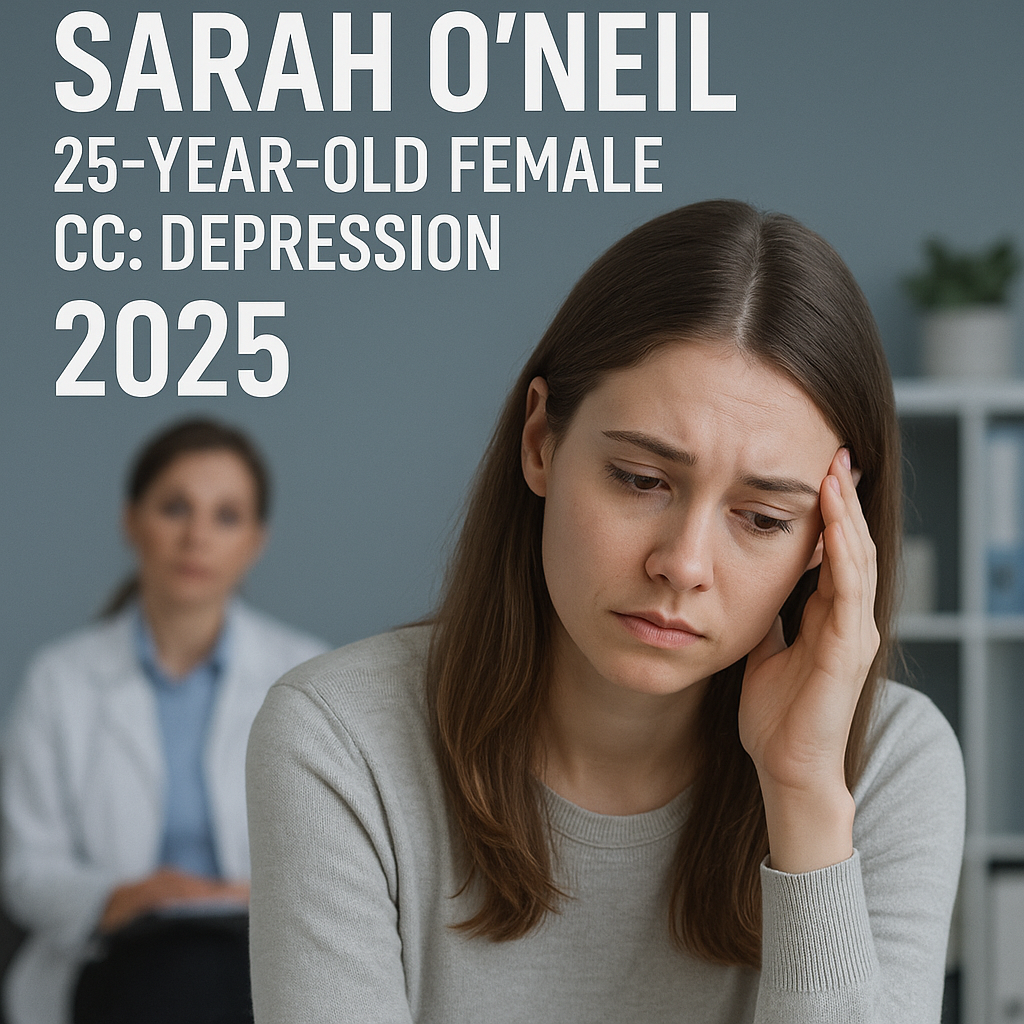


The iHuman Case Study: Sarah O’Neil, 25-Year-Old Female – Depression (2025) is a realistic, interactive mental health simulation designed to develop clinical judgment, therapeutic communication, and diagnostic reasoning in psychiatric nursing and behavioral health practice. This immersive case presents Sarah O’Neil, a 25-year-old female experiencing symptoms consistent with major depressive disorder (MDD), guiding learners through a holistic assessment of psychological, biological, and social factors contributing to her condition.
Through dynamic patient interaction and evidence-based scenarios, this case helps students strengthen their ability to recognize mental health symptoms, apply therapeutic communication strategies, and formulate individualized care plans aligned with current DSM-5 and APA 2025 standards.
Clinical Overview and Learning Objectives
Mental health nursing requires both empathy and critical thinking. This case study introduces learners to real-world assessment challenges by engaging with Sarah, who reports persistent sadness, loss of motivation, sleep changes, and concentration difficulties.
Learning objectives include:
-
Comprehensive Psychiatric Assessment:
Conduct a mental status examination (MSE) and evaluate mood, affect, thought patterns, and cognitive functioning. -
Diagnostic Reasoning:
Identify the diagnostic criteria for depressive disorders and differentiate them from anxiety, bipolar, or situational conditions. -
Therapeutic Communication:
Employ active listening, empathy, and open-ended questioning to build trust and gather accurate information. -
Suicide Risk Evaluation:
Assess for suicidal ideation, plan, intent, and protective factors following evidence-based safety protocols. -
Interdisciplinary Collaboration:
Integrate nursing care with psychological, pharmacologic, and counseling interventions for optimal outcomes. -
Patient-Centered Care:
Recognize psychosocial influences such as family, work stressors, trauma, and stigma impacting recovery. -
Education and Health Promotion:
Teach coping strategies, medication adherence, and community resource utilization.
Case Summary and Context
Sarah O’Neil, a 25-year-old college graduate, presents with chronic feelings of sadness and hopelessness that have persisted for months. She reports fatigue, social withdrawal, and decreased academic and occupational performance. Learners are challenged to identify subtle cues of depression and possible suicidal thoughts while building a therapeutic alliance with the patient.
As the case progresses, learners gather data through simulated dialogue, review psychosocial history, evaluate clinical test results, and apply nursing interventions appropriate to mental health settings. The simulation allows practice in documenting assessments using the SOAP and SBAR frameworks while adhering to privacy and ethical standards in psychiatric care.
Educational Value and Skills Developed
This iHuman case integrates psychiatric principles and communication strategies critical for modern mental health nursing. It helps bridge the gap between theoretical psychology and real-world patient encounters.
Key learning outcomes:
-
Improved recognition of depressive symptoms and diagnostic criteria.
-
Enhanced empathy and therapeutic communication competence.
-
Application of safety measures for patients with suicidal risk.
-
Understanding of pharmacologic treatments such as SSRIs, SNRIs, and psychotherapy integration.
-
Exposure to interdisciplinary collaboration involving psychiatric nurses, social workers, and mental health counselors.
-
Development of culturally competent and trauma-informed approaches to care.
The Sarah O’Neil Case also reinforces QSEN and ANA Psychiatric Nursing Standards of Practice, ensuring learners master holistic care and professional conduct within mental health contexts.
Evidence-Based Learning Experience
The simulation incorporates realistic patient dialogue, body language cues, and decision-making scenarios to promote active learning. It mirrors the structure of Next Generation NCLEX (NGN) questions, requiring students to think critically, identify priorities, and justify interventions.
Key evidence-based frameworks integrated into this case include:
-
DSM-5 Criteria for Depressive Disorders
-
Cognitive Behavioral Therapy (CBT) principles
-
Motivational interviewing techniques
-
Suicide prevention protocols (Columbia Suicide Severity Rating Scale)
-
Medication management guidelines from APA 2025
Students also receive immediate, actionable feedback that supports reflection and clinical growth.
Why This Case Is Essential for Learners
Depression is among the most prevalent mental health conditions worldwide and a leading cause of disability. This iHuman case helps prepare future nurses and clinicians to respond compassionately and effectively. It also encourages self-awareness, teaching students how to recognize emotional burnout and maintain professional boundaries in practice.
Educators can use this case as part of psychiatric nursing courses, mental health clinical rotations, or simulation labs focused on therapeutic communication and critical thinking.
Key Features and Benefits
-
💬 Realistic patient dialogue with nuanced emotional responses
-
🧠 Clinical reasoning framework for accurate diagnosis
-
💉 Evidence-based interventions including pharmacotherapy and therapy planning
-
📚 DSM-5-aligned mental health content
-
🩺 Suicide prevention and safety planning integration
-
🧩 Performance analytics to track learner progress
-
🧍♀️ Patient-centered care with cultural sensitivity
-
🕊️ Preparation for NGN and psychiatric certification exams
Ideal For:
-
Nursing students studying psychiatric or mental health nursing
-
Medical and psychology students learning diagnostic reasoning
-
Nurse practitioners and clinical educators
-
Allied health and counseling students
-
Simulation-based nursing education programs
Learning Outcomes at a Glance:
✅ Conduct a holistic assessment for depression
✅ Identify DSM-5 criteria and risk factors
✅ Apply empathetic therapeutic communication
✅ Formulate nursing diagnoses and interventions
✅ Document findings accurately and ethically
✅ Reinforce patient education and self-care strategies


Reviews
There are no reviews yet.